Introduction
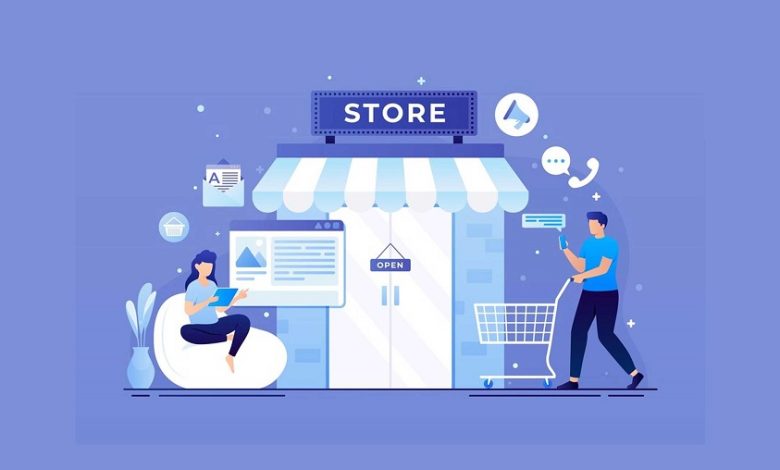
An online shop has become a central element of modern commerce, allowing businesses to reach global audiences without the limitations of a physical location. Whether you’re a small entrepreneur or a large retailer, understanding how online shops operate and what features customers expect can transform your digital presence.
What Is an Online Shop?
An online shop is a digital platform where customers can browse, select, and purchase goods or services over the internet. It acts as a virtual storefront equipped with product listings, payment options, and customer support systems.
Why Online Shops Matter Today
Global Reach
Online shops allow businesses to serve customers worldwide, unlike traditional stores restricted by geography.
24/7 Availability
Shoppers can place orders at any hour, making your products accessible around the clock.
Lower Operating Costs
Digital stores reduce expenses related to rent, utilities, and in-person staffing.
Consumer Convenience
Modern shoppers value simple navigation, multiple payment methods, and fast delivery options.
Key Features Every Online Shop Should Offer
1. User-Friendly Interface
A clean layout, intuitive navigation, and responsive design help customers find what they need quickly.
2. Secure Payment Processing
Essential payment features include:
-
Credit/debit card support
-
Digital wallets
-
Multi-currency options
-
SSL encryption for transaction safety
3. High-Quality Product Pages
Effective product pages include:
-
Clear photos
-
Detailed descriptions
-
Size, weight, and material info
-
Customer reviews
4. Efficient Search & Filters
Advanced search bars and filters make product discovery faster for customers with specific needs.
5. Smooth Checkout Experience
A simple checkout process reduces cart abandonment. Popular practices include:
-
Guest checkout
-
Autofill forms
-
Multiple shipping choices
6. Inventory Management
Real-time stock updates prevent overselling and ensure accurate product availability.
7. Mobile Optimization
Mobile-friendly layouts are crucial since many shoppers browse and buy from smartphones.
Benefits of Running an Online Shop
Reduced Operating Expenses
Operating a digital storefront often costs less than maintaining a physical location.
Scalability
Digital platforms allow easy expansion—add more products, integrate new tools, or access new markets without major infrastructure changes.
Data-Driven Insights
Online shops collect valuable data on customer behavior, enabling better marketing and product decisions.
Marketing Flexibility
You can use multiple marketing channels, including social media, email, SEO, and paid ads, to drive traffic.
How to Create a Successful Online Shop
Choose the Right Platform
Popular choices include:
-
Hosted platforms (Shopify, BigCommerce)
-
Self-hosted solutions (WooCommerce, Magento)
Craft Compelling Product Descriptions
Write clear, honest descriptions that highlight benefits, uses, and key specifications.
Implement Strong Security Measures
Maintain customer trust by protecting sensitive data through encryption, secure hosting, and regular updates.
Offer Reliable Customer Support
Include:
-
Live chat
-
Email support
-
FAQ pages
-
Order tracking options
Optimize for Search Engines
Use SEO-friendly titles, descriptions, and keywords so customers can find your shop more easily.
Focus on Fast Delivery & Returns
Clear shipping policies, reasonable delivery times, and hassle-free returns help build loyalty.
Future Trends in Online Shopping
AI-Powered Personalization
Tailored recommendations and dynamic pricing enhance customer engagement.
Augmented Reality (AR) Previews
Shoppers increasingly expect virtual try-ons and in-home product previews.
Voice Search Shopping
Voice-enabled searches are growing, prompting shops to optimize for conversational queries.
Eco-Friendly Commerce
Sustainable packaging and eco-conscious product lines attract modern consumers.
FAQs
1. What makes an online shop successful?
A simple interface, reliable payment system, fast delivery, and strong customer service contribute significantly to success.
2. Do I need technical skills to create an online shop?
Not necessarily. Many platforms provide drag-and-drop tools and templates for beginners.
3. How many products should I list in my store?
There’s no minimum; however, well-curated product collections often perform better than overwhelming catalogs.
4. How can I increase trust in my online shop?
Use secure payment gateways, display customer reviews, and provide transparent return policies.
5. What is the best marketing strategy for online shops?
A mix of SEO, social media, email campaigns, and paid ads works effectively for most stores.
6. How do I handle customer complaints online?
Respond promptly, offer solutions, and maintain professionalism to build trust and loyalty.
7. Is mobile optimization mandatory?
Yes. A significant portion of online shopping occurs on mobile devices, making optimization essential.